1. Blog
  2. Article

didrocks
on 9 February 2017

It’s a special this month. Instead of our round-up of desktop snaps, we’re focusing on KDE! 8 KDE snaps written in January have been selected from a Tetris-like game to an education platform on countries.

To recap for those of you that may not know, snaps are a new way for developers to package their apps, bringing with it many advantages over the more traditional package formats such as .deb, .rpm, and others. They are secure, isolated and allow apps to be rolled back should an issue occur. Snaps really are the future of Linux application packaging.

Check out the list of KDE snaps below!
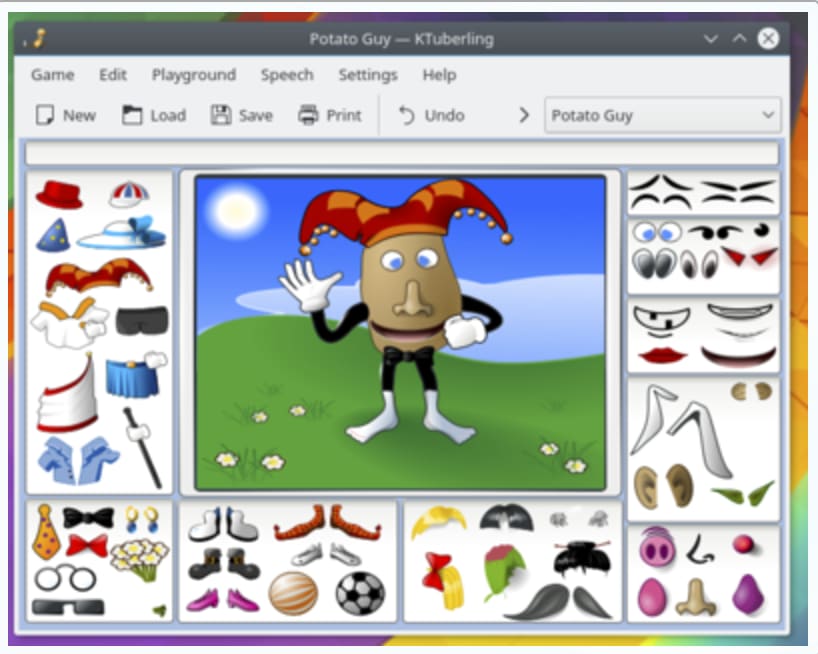
1. ktuberling The most awesome game ever!
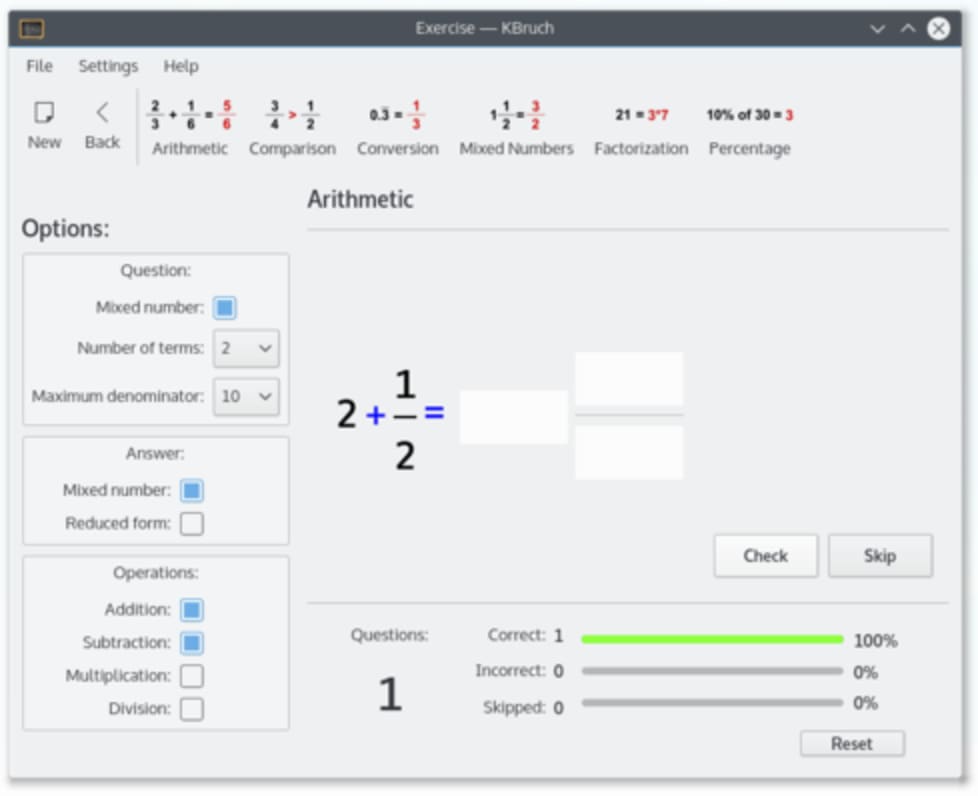
2. kbruch Learn how to do fractions
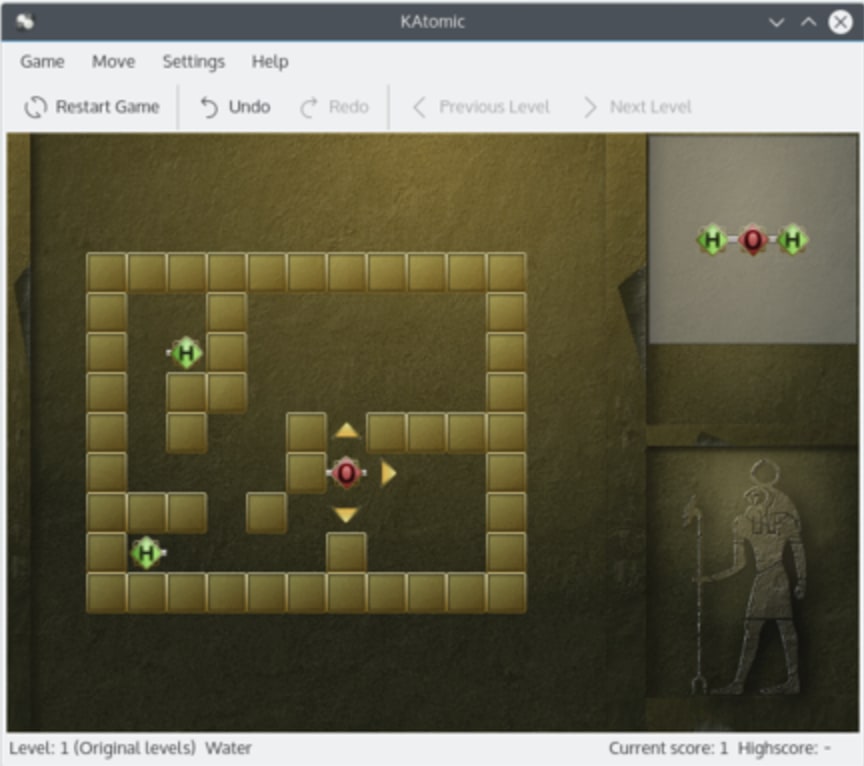
3. katomic Fun and education in one.
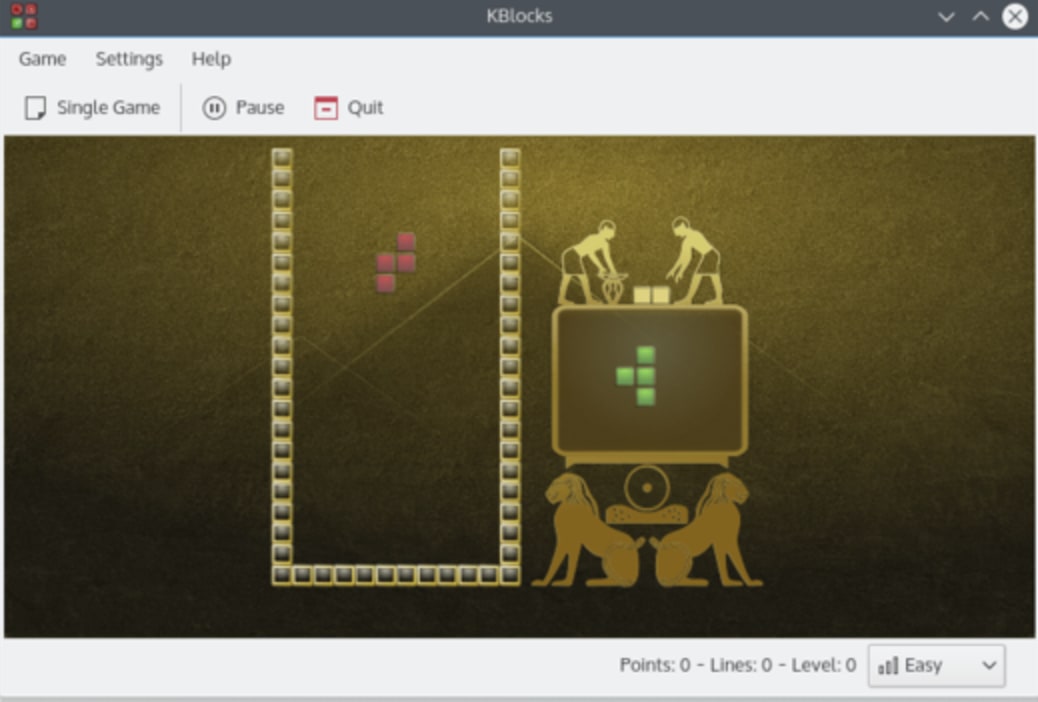
4. kblocks Falling blocks game.
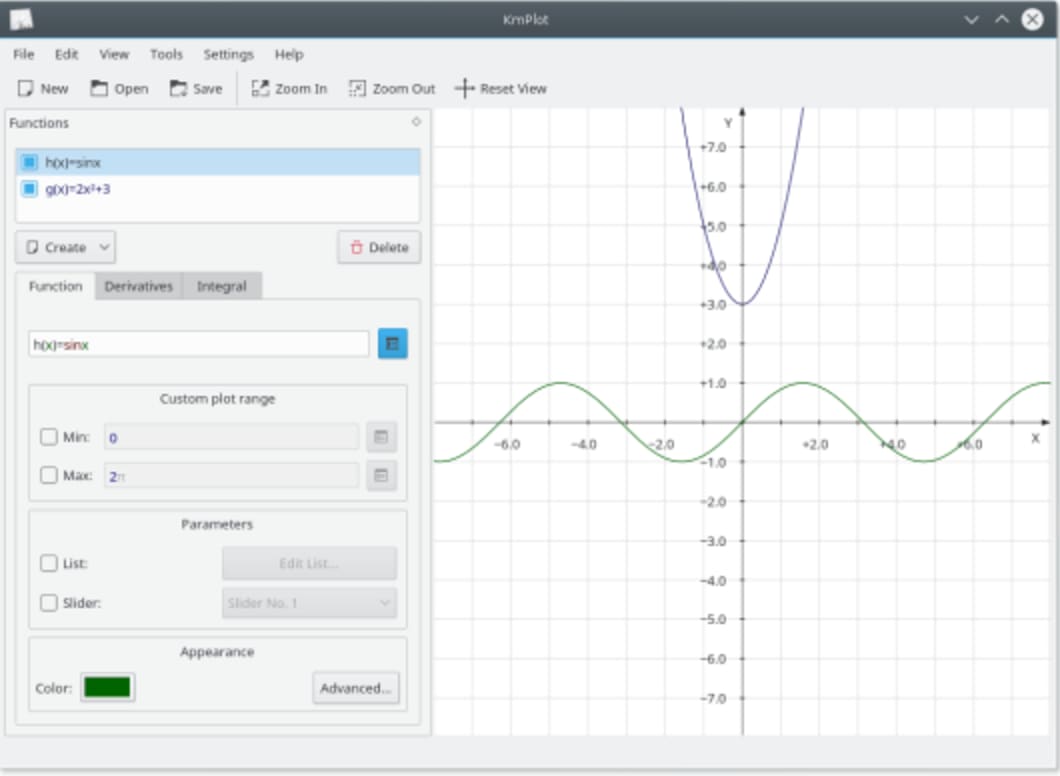
5. kmplot Plotting mathematical functions.
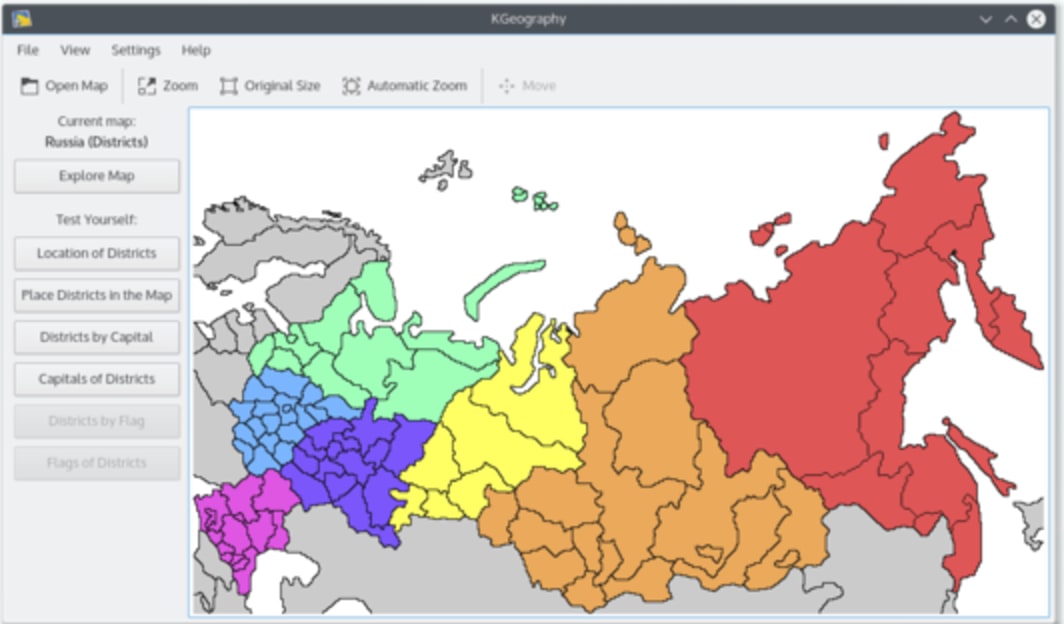
6. kgeography An education application for learning states/countries/capitals
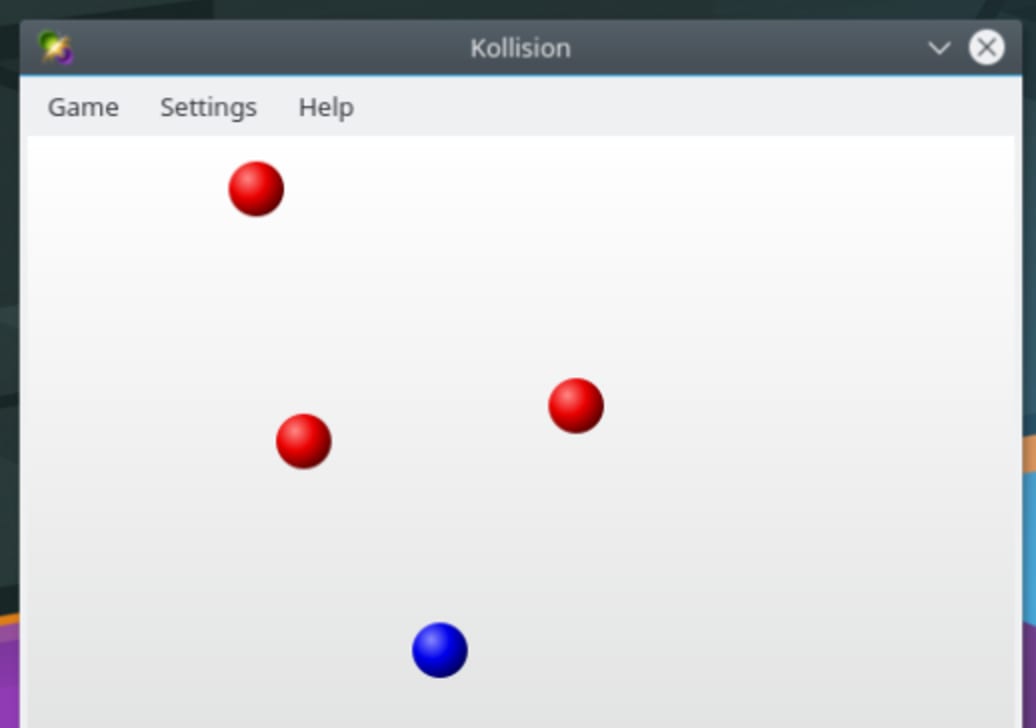
7. kollision Casual ball game
8. kruler A screen ruler to measure pixel distance on your screen

Happy snapping! And learn more at Snapcraft

Related posts


Canonical
23 April 2026

Canonical releases Ubuntu 26.04 LTS Resolute Raccoon

Cloud and server Article

The 11th long-term supported release of Ubuntu delivers deep silicon optimization and state-of-the-art security for enterprise workloads. ...


Massimiliano Gori
31 March 2026

How to manage Ubuntu fleets using on-premises Active Directory and ADSys

Cloud and server Article

The “hybrid fleet” is today’s reality: organizations diversify operating systems while Microsoft Active Directory (AD) remains the dominant identity “source of truth.” IT administrators must ensure Linux machines, like Ubuntu desktops and servers, behave as first-class citizens in this environment. Efficient Linux management demands unifi ...


Massimiliano Gori
30 March 2026

How to Harden Ubuntu SSH: From static keys to cloud identity

Cloud and server Article

30 years after its introduction, Secure Shell (SSH) remains the ubiquitous gateway for administration, making it a primary target for brute force attacks and lateral movement within enterprise environments. For system administrators and security architects operating under the weight of regulatory frameworks like SOC2, HIPAA, and PCI-DSS, ...